Climbing Helmet Fit & Safety
Learn how to properly fit, inspect, and care for your climbing helmet to help maximize comfort and protection.
Introduction
A climbing helmet is one of the most important pieces of safety equipment you'll own. Whether you're climbing outdoors, scrambling over rocky terrain, or navigating loose trails, a properly fitted helmet helps protect you from falling rocks, accidental impacts, and other hazards.
Modern climbing helmets are lightweight and comfortable enough that there's little reason not to wear one whenever overhead hazards are present.
Why Proper Fit Matters
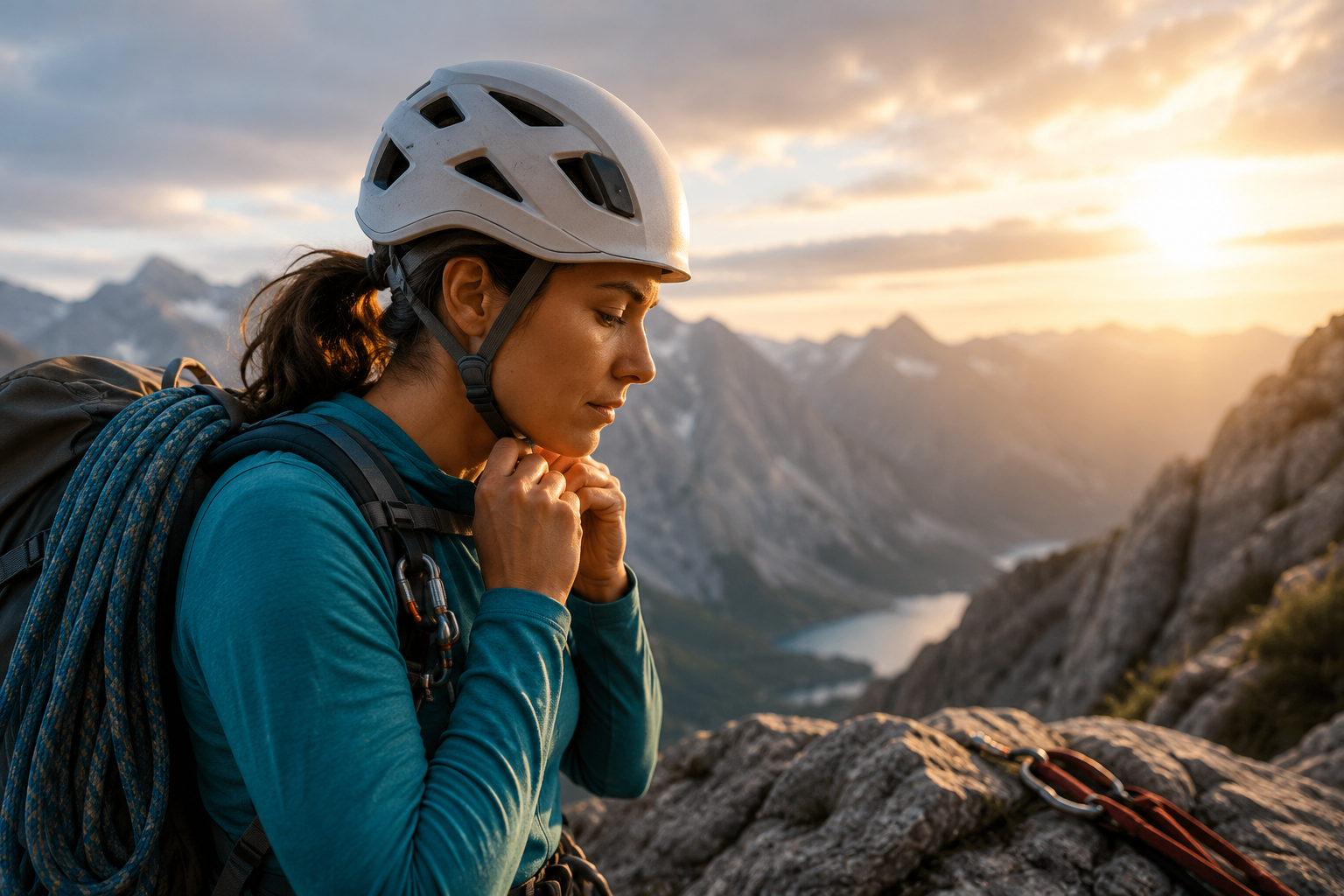
A helmet only provides protection if it stays securely in place. Start by adjusting the headband so the helmet sits level on your head rather than tilted forward or backward. Tighten the chin strap until it feels snug but comfortable.
Once adjusted, gently shake your head from side to side. The helmet should remain stable without shifting excessively.
Inspect Before Every Climb
Before heading out, examine the helmet for cracks, dents, deep scratches, or damaged straps. Pay close attention to buckles and adjustment mechanisms to ensure they operate smoothly.
Even minor damage can reduce a helmet's ability to absorb impact, so it's important to inspect your equipment regularly.
When to Replace Your Helmet
Any helmet that has sustained a significant impact should be replaced, even if no visible damage is present. Materials designed to absorb impact can lose their protective qualities after a hard hit.
Manufacturers also recommend replacing helmets after several years of normal use because sunlight, heat, and general wear gradually weaken many materials.
Care and Storage
Store your helmet in a cool, dry location away from prolonged sunlight and harsh chemicals. Clean it with mild soap and water, and avoid using strong solvents that could damage the shell or internal foam.
Proper care helps ensure your helmet is ready for your next adventure.